
Disordered eating and the fallout on hair health
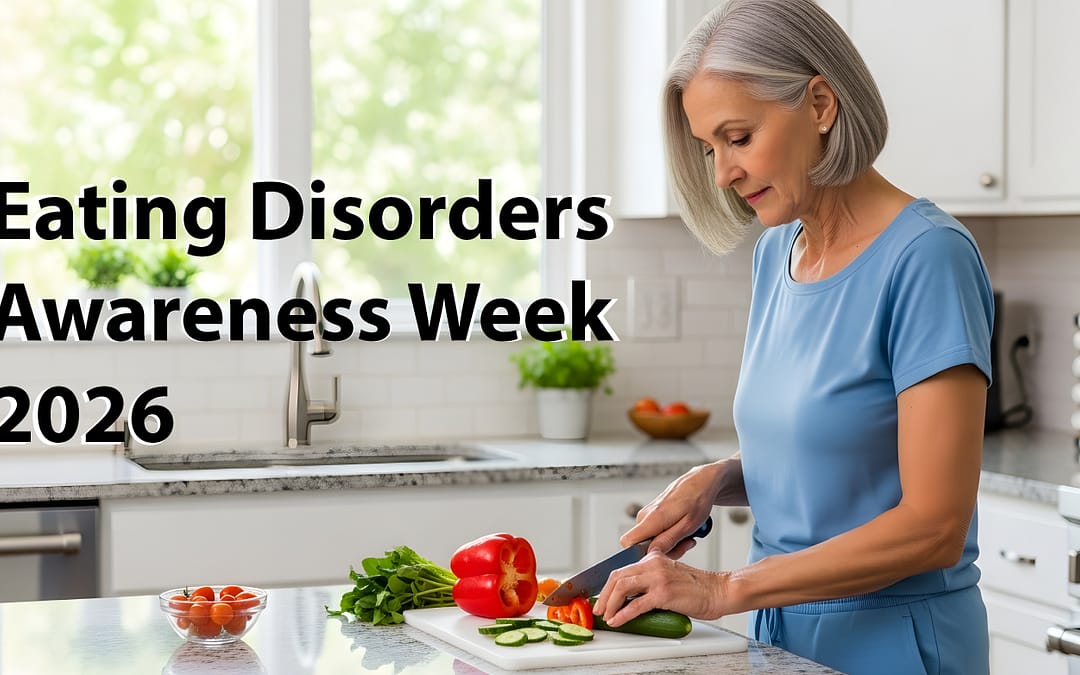
Eva says; “The topic of disordered eating can be a sensitive one to discuss, but feels particularly important as we approach Eating Disorder Awareness Week 2026 (23rd February – 1 March)
“Whilst the immediate effects of an eating disorder are widely known – the main one of course being significant weight loss, whether sudden or prolonged – less is understood about the effect that a “drastic change in diet” (including choices such as vegetarian and veganism) can have on our hair, too.
“The recent popularity in the use of GLP-1s medication is also having a huge impact on hair health, growth and retention. I am seeing a real increase in clients in my clinics across the UK who are experiencing hair loss for the first time since starting ‘weight loss jabs’ – it really is new and modern phenomenon for trichologists and something we’re all needing to be mindful of during consultations when assessing patients and developing individual, treatment pathways.
“Disordered eating may refer to someone living with an eating disorder, such as anorexia or bulimia, or it may come into our lives as a result of severe stress – for example after bereavement, post-surgery or the ‘heartbreak’ caused by a relationship breakdown or divorce. There’s little doubt that high levels of physical and emotional stress can cause the hair to shed excessively, often starting two to four months after the initial onset of the stressful period or event.
“Stress can also cause a rise in inflammation within the body, which can trigger many different reactions – not least disruption to the immune system – and this too can lead to hair loss. Experience from listening to my patients concurs that a stressful situation, in turn, often causes changes to our diet, such as skipping meals or relying on comfort foods, which can deplete stored vitamin and mineral levels and again trigger hair loss.
“It seems somewhat hard to believe but hair growth is considered a non-essential function by our bodies. The hair follicle is one of the fastest-dividing cells in the body but always among the last to receive nutrition. It is also one of the first places the body shows signs of nutritional stress.
“When nutrients and energy are limited, as they often are with restrictive eating, ‘purging’, or malnutrition, the body shifts resources towards vital organs like the heart, brain, and lungs. Hair follicles get pushed to the bottom of the list. This can cause hair to thin out, shed more than usual, grow more slowly, and become dry, brittle, or dull.
“A significant reduction in dietary intake will almost always cause a reduction in the essential minerals required to keep hair growing healthily, and the shedding cycle balanced.
“Hair is made mostly of protein (keratin) and depends on a steady supply of vitamins and minerals to grow. Eating disorders often lead to deficiencies that directly weaken hair structure and growth.
Some key nutrients involved include:
- Protein – helps build and maintain hair strands. Low intake can lead to hair thinning and breakage.
- Iron – carries oxygen to hair follicles. Low iron levels can cause significant hair loss.
- Zinc – supports tissue growth and repair. A deficiency may lead to shedding and texture changes
- Essential fatty acids – help keep hair shiny and moisturised. Without them, hair can become dry, frizzy and fragile.
- B vitamins (especially B12 and biotin) – support cell metabolism and follicle function. Low levels can slow hair growth and weaken strands.
“The right supplement can offer valuable support to someone living with an eating disorder.
I developed the [award winning] Tricoextra dietary supplement for this very reason… to help restore and maintain healthy levels of essential vitamins and minerals and to help reduce the risk of hair shedding and thinning. Common deficiencies include B12, vitamin D, and iron stores (measured as serum ferritin)
“And, what’s more, dropping weight quickly can also cause the skin to become lax. This can apply to the hair follicles too, which may become less supported and contribute to increased shedding.
Hair will be noticeable in the plug after showering or in the vacuum. It will start to feel thinner – your ponytail may feel less ‘full’ in the mid lengths to ends – and you may see lots of short hairs.
“This is what we term, Telogen Effluvium (TE) and thankfully is usually temporary. It can often be treated very effectively with dietary changes, stress management and self-care. In some cases, medical treatments such as Minoxidil may also be helpful – which a registered trichologist will be able to advise and prescribe if appropriate to the individual.
“Eating disorders often disrupt normal hormone production as well. Low body fat and undernutrition can suppress hormones like estrogen and thyroid hormones, both of which influence hair growth cycles.
When hormones are out of balance, hair can:
- Enter the shedding phase too early
- Grow more slowly
- Become finer over time
“The good news is that hair loss from malnutrition is often reversible once the body is consistently nourished again. That’s why it’s so important people know they can receive sensitive and appropriate help from loved ones and medical professionals if they are experiencing disordered eating.
“Hair loss isn’t vanity; it’s a sign our system is under-resourced.
“As recovery begins and the body gets enough calories, protein, fats, vitamins and minerals, the hair follicles can slowly return to their normal growth cycle. Regrowth takes time—often several months—but healing is absolutely possible.
Eva concludes; “Trichologists are here to help – we’re trained to take a holistic look at hair health. We’re also here to listen and care for our clients and to really understand the root of the problem.”
Eva has successfully treated numerous men and women suffering from hair loss and is the resident trichologist on “The Hair Loss Clinic”, which can currently be streamed on Discovery Plus.
“I encourage anyone who is concerned about hair loss and alopecia to check out the information here, where I talk through specific variances of alopecia, causes, and potential treatment options.
As always, if you have any general concerns then please do pop me a question here: www.ukhairconsultants.com/ask-about-symptoms-eva-proudman. I’m always here for you and committed to helping people of all ages with hair and scalp health concerns.”
Or get in touch here!